Explore Jordan's forgotten megalithic landscapes, where prehistoric stone monuments, Bronze Age heritage and dramatic highland scenery reveal one of the kingdom's oldest archaeological stories.

Jordan's ancient dolmens are among the country's most intriguing archaeological remains. Built from large stone slabs and set across open landscapes, these prehistoric monuments connect visitors with communities that lived in the region thousands of years ago, long before the great classical cities and desert castles that Jordan is famous for today.
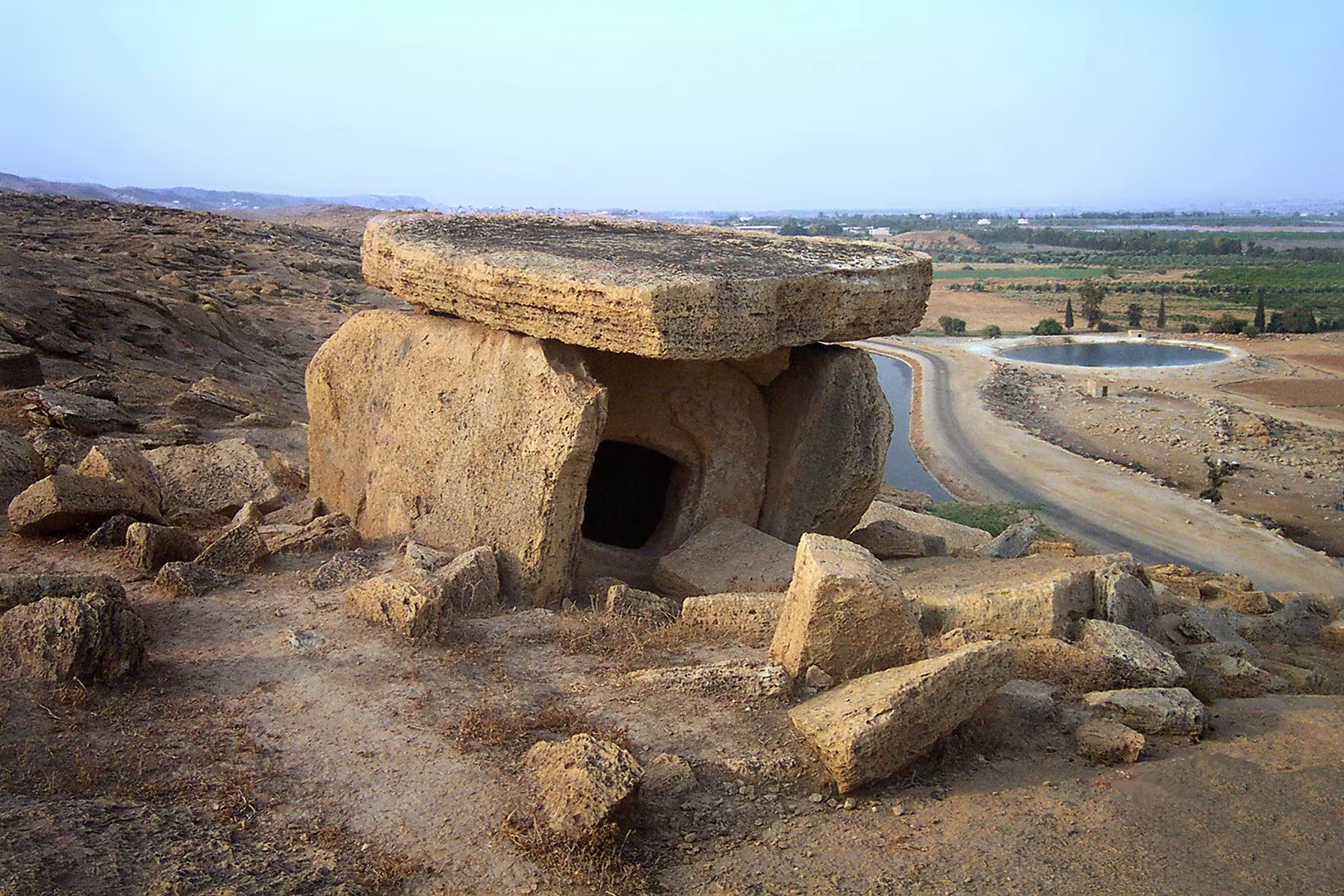
Many dolmens are believed to date to the Early Bronze Age and are usually interpreted as burial monuments or ceremonial structures. Their simple but powerful form — upright stones supporting a heavy capstone — makes them one of the most visually striking features of Jordan's prehistoric heritage.
Most travelers know Jordan for Petra, Wadi Rum, Jerash, the Dead Sea and biblical sites. The dolmens reveal a much older and quieter layer of history. They stand in open fields, on plateaus and near ancient routes, giving visitors the feeling of discovering a hidden chapter of the kingdom's past.
Unlike major archaeological parks, dolmen landscapes are often peaceful and uncrowded. This makes them especially interesting for travelers who enjoy archaeology, photography and unusual heritage experiences beyond the standard tourist trail.
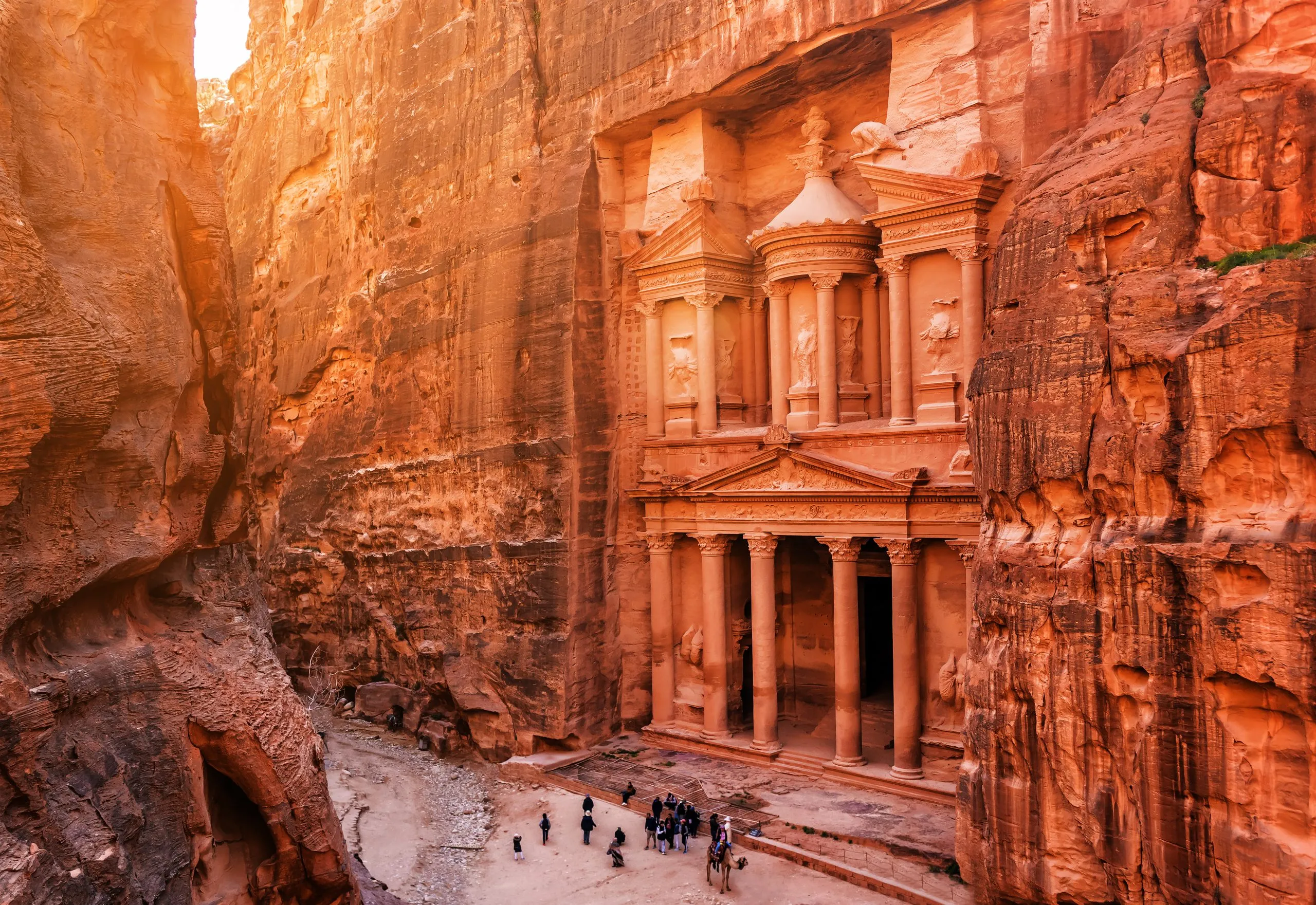
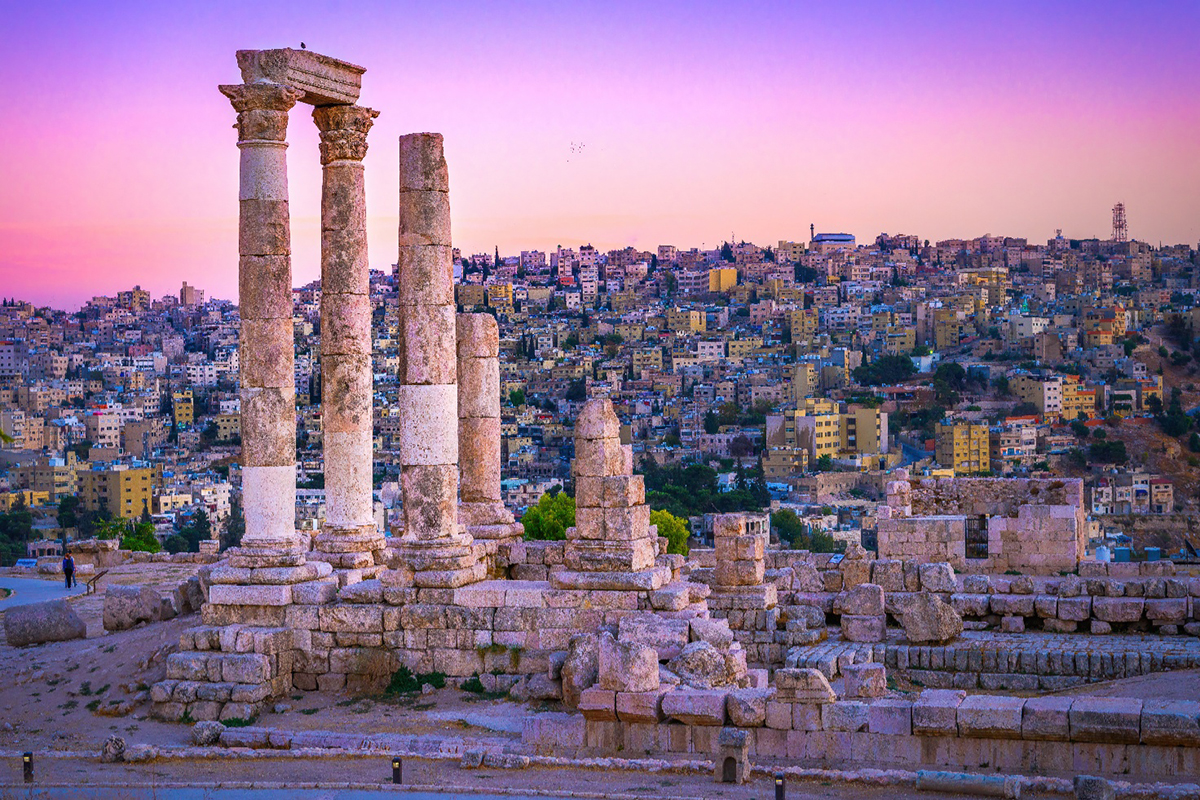
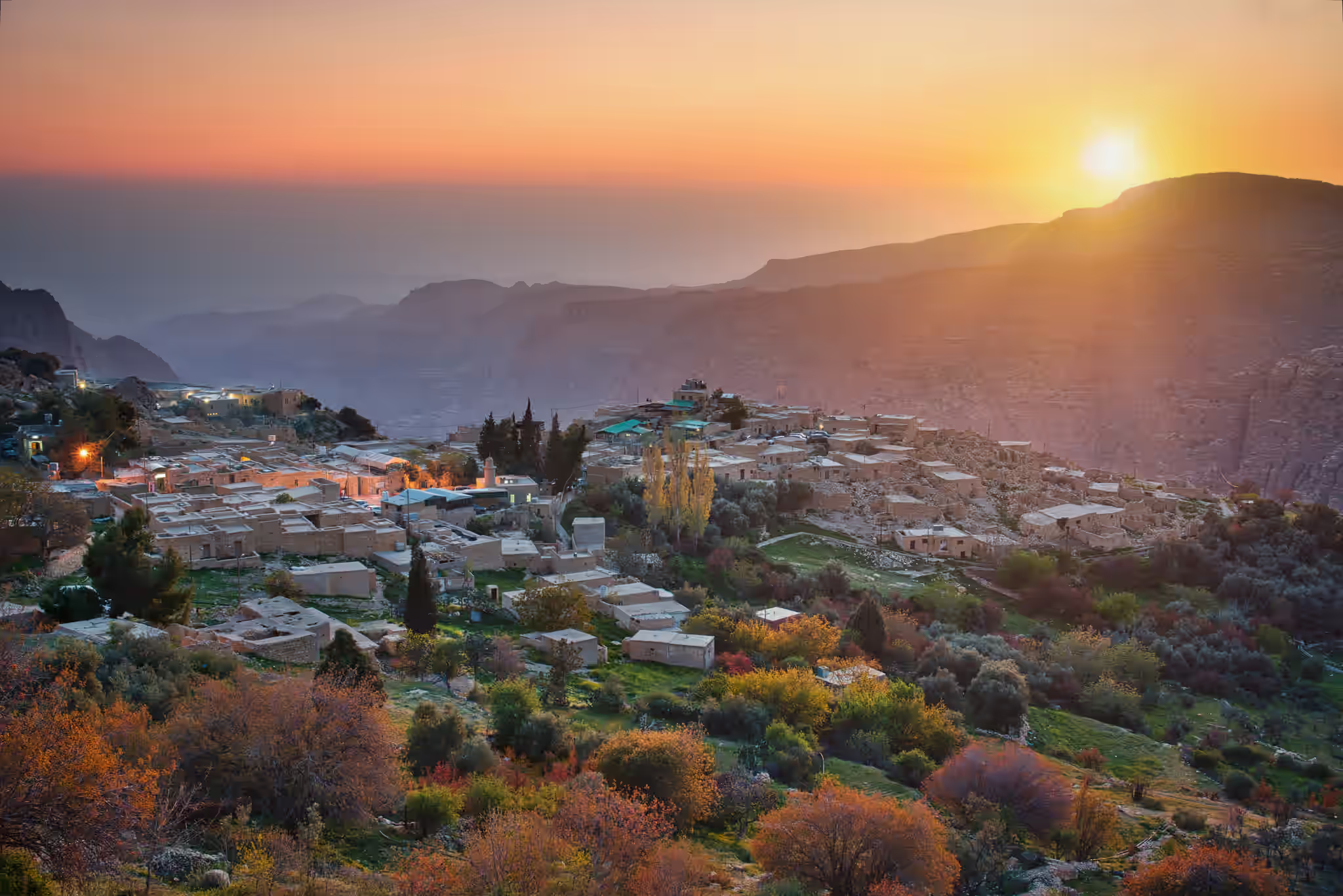
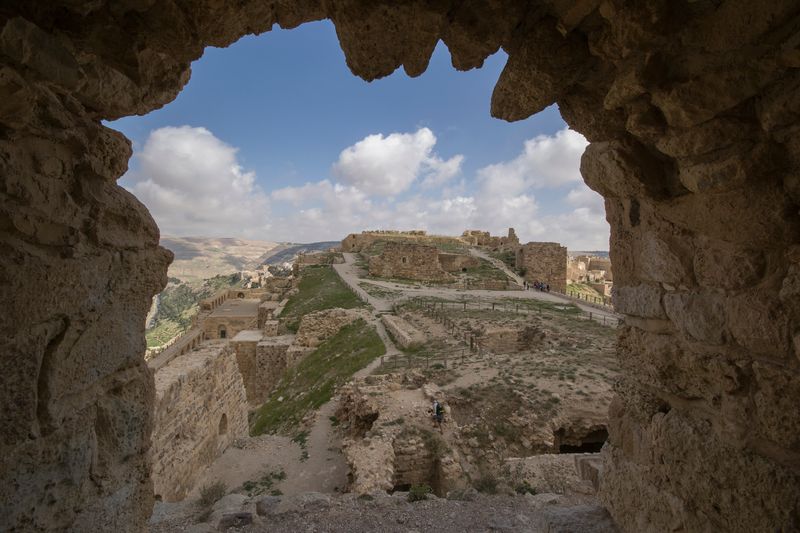
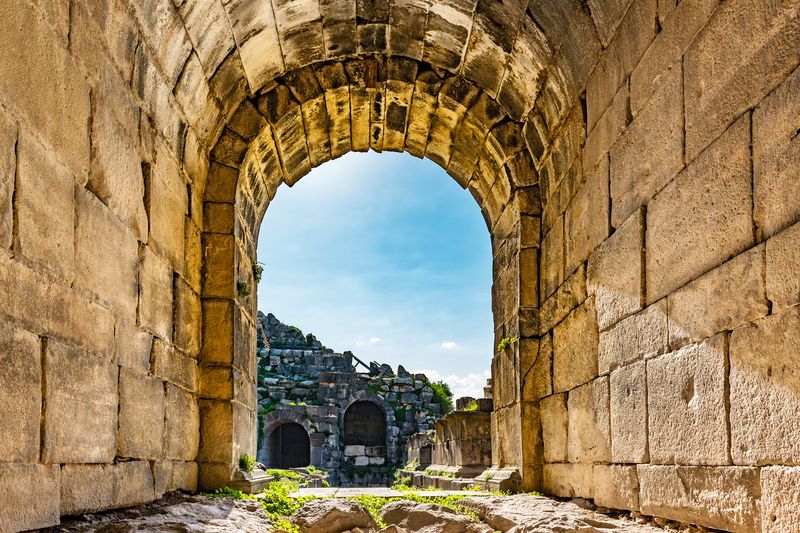
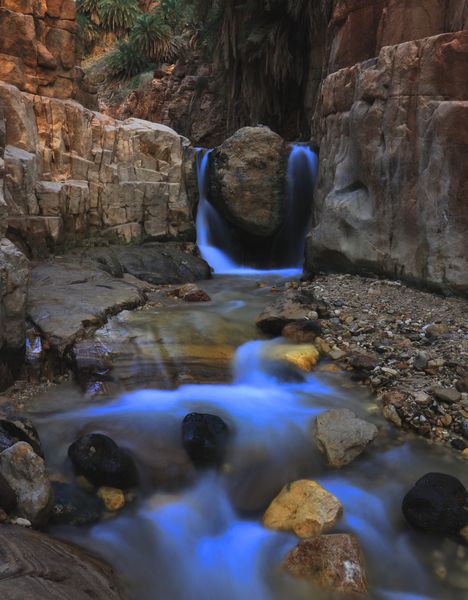
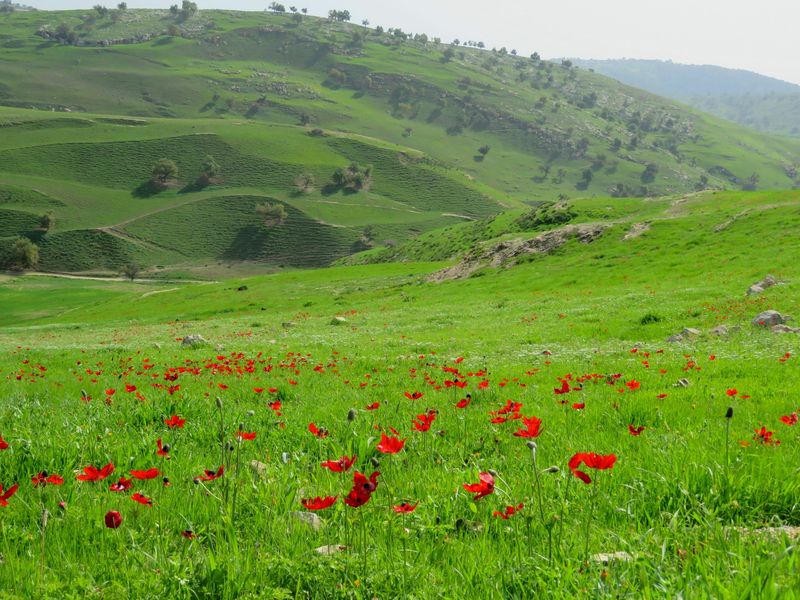
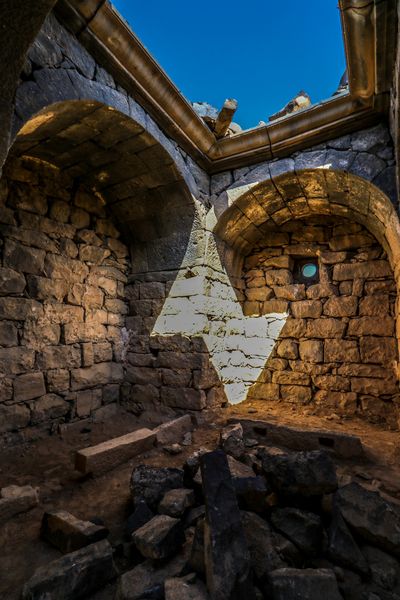
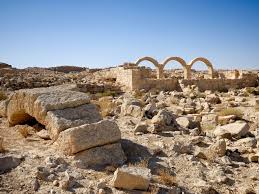
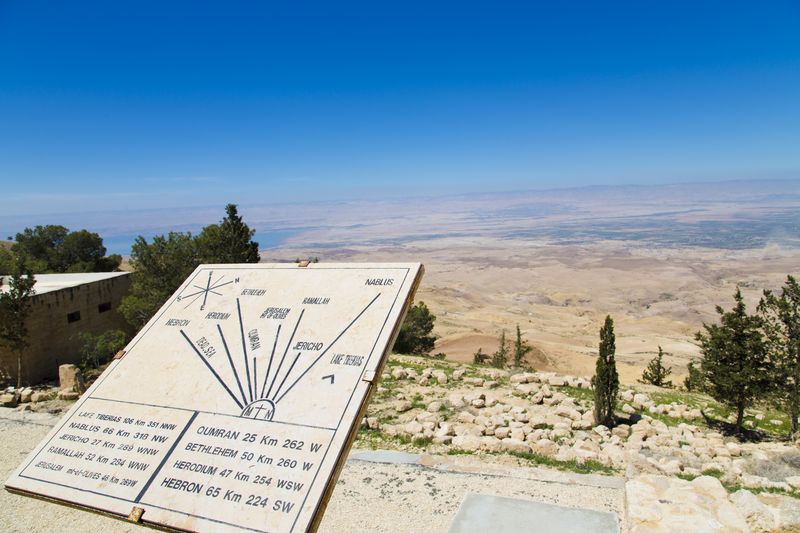
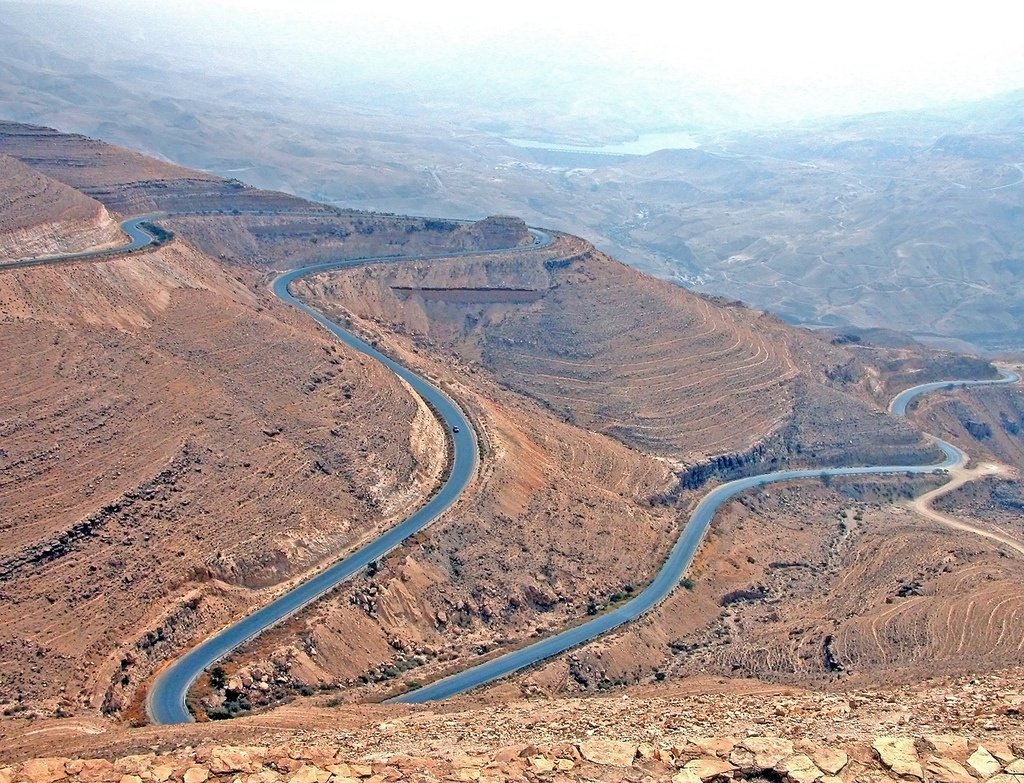
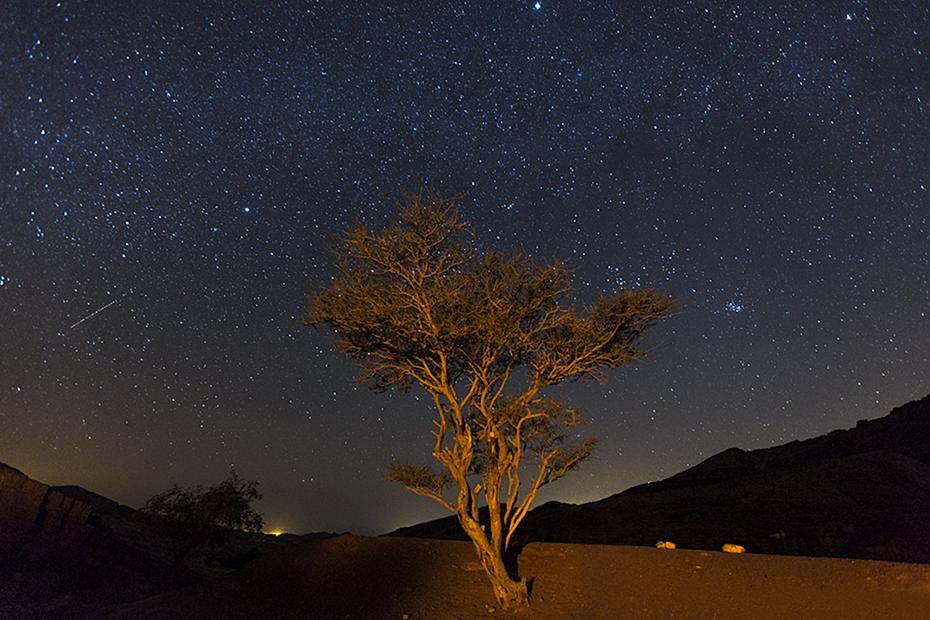
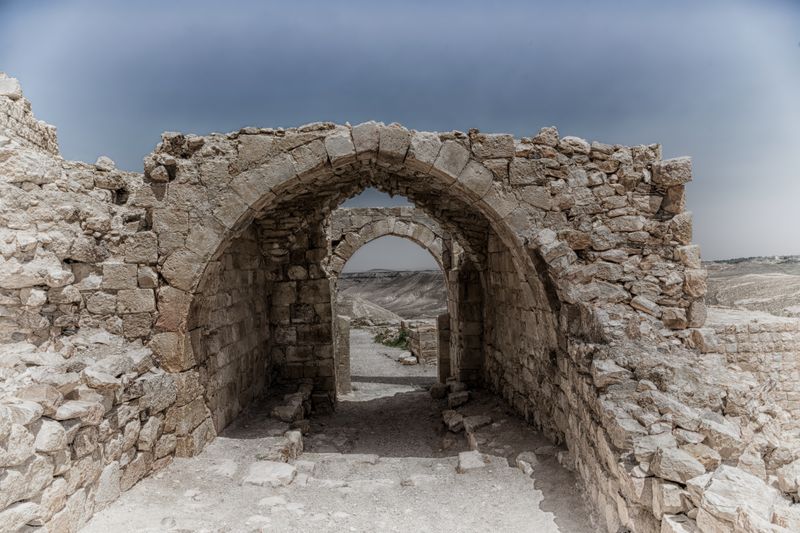
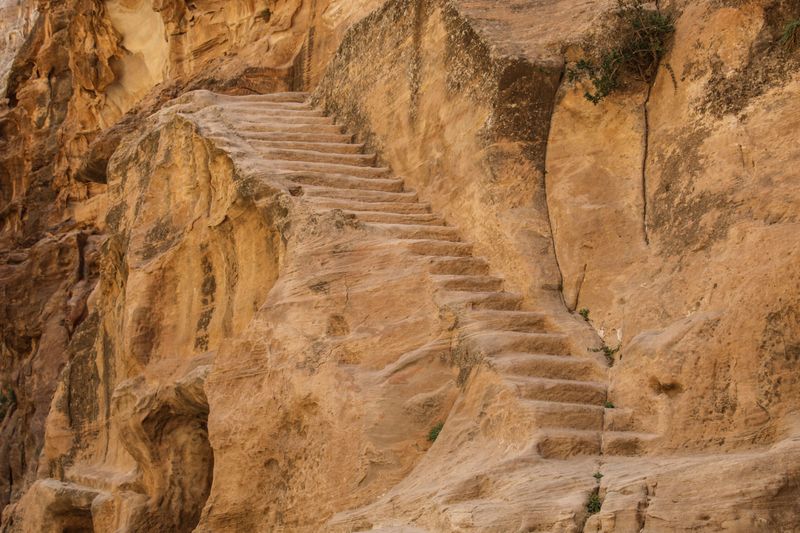
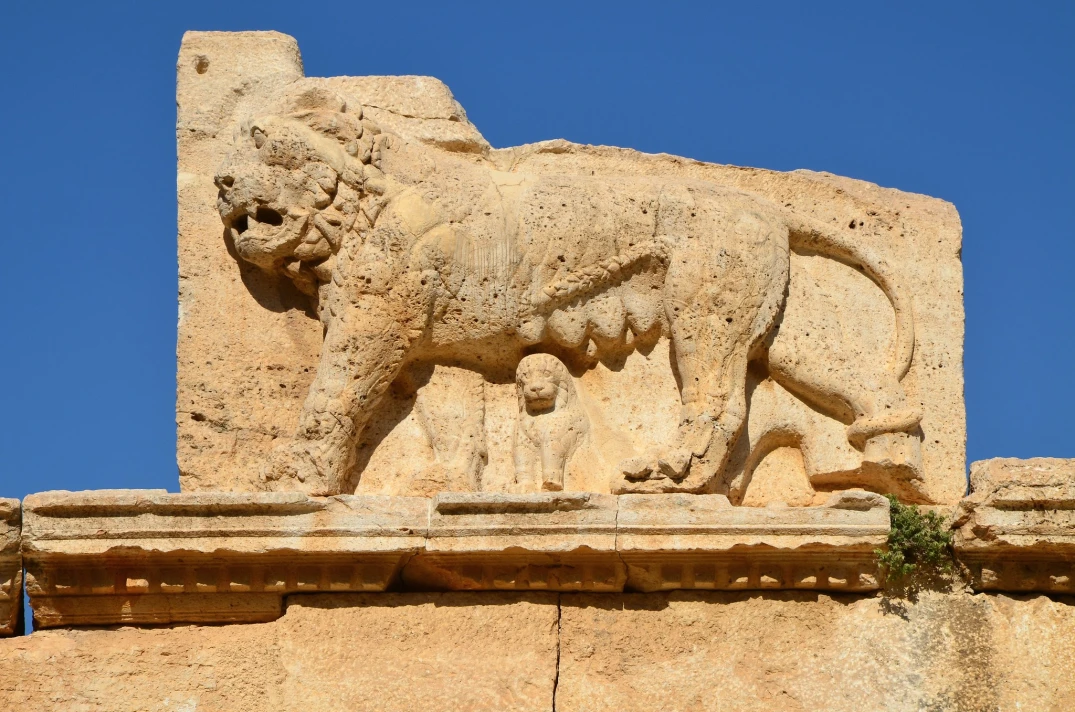
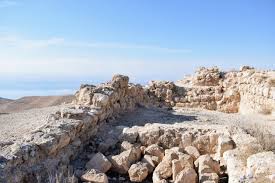
Browse photos of Jordan's ancient dolmens, megalithic stone structures and open archaeological landscapes. These images highlight the atmosphere of the Damiya Plateau dolmen field and the mysterious prehistoric heritage of Jordan.
Dolmens are megalithic structures made from large stones. A typical dolmen consists of two or more upright slabs with a flat capstone placed above them, forming a chamber-like shape. In Jordan, these monuments are often found in groups, creating impressive stone fields that suggest long-term use of the landscape by early communities.
Archaeologists generally connect many dolmens in the southern Levant with funerary or ceremonial practices. Although their exact meaning can vary from place to place, their presence shows that prehistoric people in Jordan organized labor, selected prominent locations and created monuments that were meant to last.
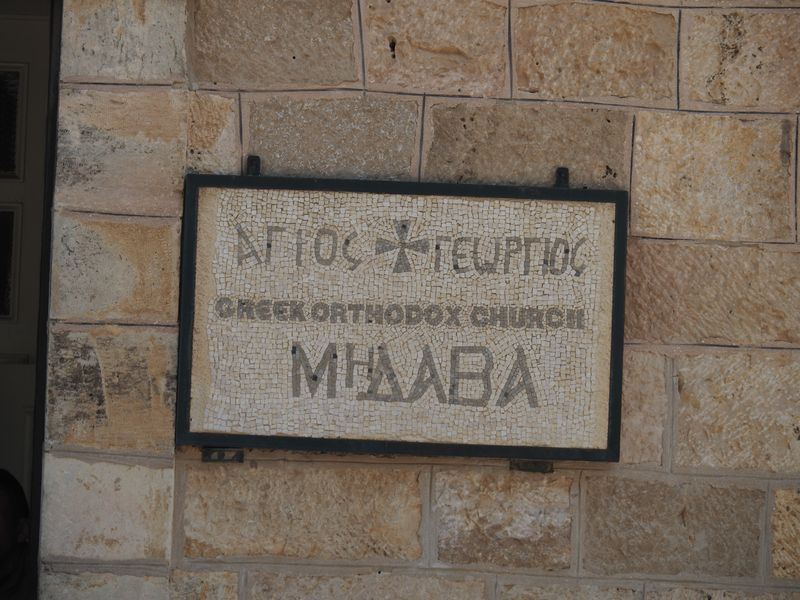
The Madaba Plateau is one of the better-known areas for dolmens, but these monuments are not limited to Madaba. Dolmen landscapes are found in several parts of Jordan, including areas in the Jordan Valley, the Damiya Plateau, northern Jordan and other highland regions. This makes them suitable for a wider "ancient Jordan" or "prehistoric Jordan" travel theme rather than only a Madaba destination page.
Jordan's dolmens can be included in a private archaeology-focused itinerary, especially for travelers who want to go deeper than the classic route. They combine well with biblical sites, early settlements, Roman cities, desert landscapes and Jordan's major cultural attractions.
This experience is ideal for visitors interested in archaeology, early human history, biblical landscapes, photography, geology and off-the-beaten-path travel. It is also a strong addition to tailor-made Jordan tours for guests who have already visited the main highlights and want something unusual and meaningful.
Dolmens are prehistoric stone monuments usually made from upright stone slabs supporting a large flat capstone. Many are thought to have been used as tombs or ceremonial structures.
Dolmens can be found in several parts of Jordan, including the Jordan Valley, Damiya Plateau, Madaba highlands and northern Jordan. They are not only located in Madaba.
Many dolmens in Jordan are commonly associated with prehistoric and Early Bronze Age periods, making them thousands of years old and among the kingdom's oldest visible archaeological monuments.
Yes, some dolmen landscapes can be visited, especially as part of a private or specialist archaeology tour. Access and conditions vary, so visiting with a local driver or guide is recommended.
They are best suited for travelers with a special interest in archaeology, ancient history, photography or unusual heritage sites. They can be combined with better-known attractions such as Madaba, Mount Nebo, Jerash, the Dead Sea and Petra.
Interested in Jordan's prehistoric megaliths? Jordan Horizons Tours can arrange a private, tailor-made journey including ancient dolmen landscapes, Madaba, Mount Nebo, biblical sites, the Jordan Valley, Jerash, Petra, Wadi Rum and other archaeological highlights across the kingdom.

 ES
ES IT
IT FR
FR DE
DE RO
RO RU
RU PT
PT JA
JA ZH
ZH